Surfing in Winter: How to Stay Warm and Safe in UK Waters
Posted On : October 05, 2026
Surfing in Winter: How to Stay Warm and Safe in UK Waters

05

October 2026

Winter wetsuit layering, boot and glove choices, cold-shock risks and a reliable post-surf warming routine — everything you need to keep...

Winter in the UK sorts the curious from the committed. The line-ups thin out, and some of the cleanest, most consistent waves of the year go almost unridden. What keeps most people on the beach isn't the surf; it's the cold. Get your kit and your routine right, though, and a January session becomes something to look forward to rather than endure.

What the cold actually does to you

UK sea temperatures often sit somewhere between 6°C and 10°C through the winter months, and the air on top can be colder still. Wind strips heat from any exposed skin, and your hands lose dexterity long before you admit there's a problem. Add a 4°C offshore breeze at Tynemouth or a grey, drizzly 7°C in Pembrokeshire and the maths gets brutal very quickly.

The bigger issue is cold shock. When cold water hits your face and chest, most people gasp and start breathing fast and shallow. That response is involuntary, and it's where plenty of winter incidents begin — taking on water, panicking, trying to duck dive a set with your breathing out of control, and losing the ability to do anything useful at all. It passes, usually within a minute or two, but those are the minutes that matter.

The three stages of getting cold

Understanding the sequence helps you spot trouble in yourself and in whoever you're surfing with:

  • Cold shock (first one to three minutes). Gasping, hyperventilation and a sharp rise in heart rate and blood pressure. This is the moment to stay still, keep your head up and let your breathing settle before you do anything else.
  • Cold incapacitation (roughly five to fifteen minutes). Blood is drawn away from your extremities to protect your core. Fingers stop working, grip fails, and swimming or paddling becomes far harder than it should be. This is the stage that catches out competent surfers.
  • Hypothermia (thirty minutes and beyond without protection). Shivering, slurred speech, confusion and — most dangerously — a creeping apathy that makes sitting in the water feel perfectly reasonable when it isn't.

There's a fourth stage most people never hear about: afterdrop. When you rewarm too fast, cold blood from your limbs returns to your core and your temperature can keep falling after you're out of the water. That's why the way you come in matters as much as the way you paddle out.

Get the wetsuit right

For most of the UK, a well-fitting 5/4mm steamer with a built-in hood covers you from October through April. Head north or east — Scotland, the North Sea coast, anywhere the water dips toward 5°C — and a 6/5/4 with taped seams is money well spent.

Fit beats brand every single time. A baggy suit floods on the first duck dive and never recovers; a suit that's too tight restricts your breathing and wears you out. Check that the neck seals without strangling you, that there's no gap at the small of your back, and that the wrists and ankles sit flush.

  • Seams: glued and blindstitched is a minimum; taped or liquid-sealed is better.
  • Entry: chest zip suits flush less than back zips, though they're fiddlier to get into when your hands are numb.
  • Age: neoprene compresses and loses loft. A five-year-old suit that was brilliant in 2019 is now a cold suit.

The small pieces of kit that make the biggest difference

Hands, feet and head are where winter sessions are won or lost. Lose them and you lose the session.

  • Hood: 3–5mm, fitted, with a decent collar overlap. An attached hood is warmer than a separate one because it can't flush.
  • Boots: 5mm or 7mm round-toe boots are warmest; split toes give more feel but less heat.
  • Gloves: 3mm for milder days, 5mm for January. Mittens are noticeably warmer if you can stand the loss of dexterity.
  • Earplugs: they keep the cold water out of your ear canal and reduce the ice-cream headache after a duck dive.
  • Changing robe and mat: not luxuries. Standing barefoot on frozen tarmac in a wet suit is how good sessions end badly.

Your pre-surf routine

Warm bodies stay warm longer. A few small habits make a genuine difference:

  1. Eat properly beforehand — porridge, eggs, something substantial. Winter surfing burns more than you think.
  2. Get changed somewhere sheltered, out of the wind, ideally before you leave the house if you can face the drive.
  3. Pour a litre of warm (not hot) water down the front of your suit before you zip up. It buys you five comfortable minutes.
  4. Warm up on the beach — a jog, some arm swings, a few squats. Cold muscles and a cold shock response are a poor combination.
  5. Fill a flask with tea or soup and leave it in the car. You will be very glad of it.
There is no such thing as bad weather, only unsuitable clothing.

Alfred Wainwright was writing about the fells, not the Atlantic, but the principle holds perfectly in the water.

In the water: how to run a winter session

Forget three-hour summer sessions. In winter, short and sharp wins. Forty-five to ninety minutes is a good target, and quality of waves matters far more than quantity.

  • Keep moving. Paddle around between sets rather than sitting still. Motion generates heat; sitting does not.
  • Set an exit rule and stick to it. For most people that's when they can no longer make a fist, feel their leash, or pronounce their own name properly.
  • Surf with someone. Two pairs of eyes are better than one, and a mate will notice you going quiet before you do.
  • Pick your spot for shelter. A bank or headland that blocks the wind can make the same day feel five degrees warmer.

Coming in and rewarming

Get out of the wind first, then out of the suit. Towel dry, get into dry layers, hat, gloves, and something windproof. Drink the flask. Then heat the core — trunk first, then limbs — rather than plunging straight into a hot bath, which can trigger afterdrop and leave you shivering harder than when you got out.

Watch your mates for the classic warning signs: someone who's stopped shivering has not warmed up, they've got worse. Mumbling, stumbling, fumbling and grumbling are the four tells of a person heading toward hypothermia, and they need warm clothes, a warm drink and a warm car, in that order.

Winter safety: the non-negotiables

  • Check the forecast properly. Swell, wind, tide and water temperature, every time. Winter weather turns faster than summer weather.
  • Assume there are no lifeguards. RNLI beach patrols are largely a seasonal service; from October to May you are on your own.
  • Know your exits. Heavy winter swell moves sand. The rip you used last month may be a wall of whitewater now.
  • If you go in unexpectedly, float first. Fight the instinct to swim hard; lie on your back until the gasping stops, then act.

Where the winter waves are worth the effort

Cold water doesn't mean bad waves. Some of the most rewarding winter surf in the UK sits exactly where the temperature is least appealing.

  • Cornwall and Devon: Sennen, Godrevy and Croyde pick up consistent Atlantic swell all winter, with clean offshore mornings after a front passes.
  • Wales: Rest Bay and Llangennith are forgiving in smaller winter swells; Freshwater West is not, and shouldn't be treated casually.
  • North East England and Scotland: Tynemouth, Saltburn, Pease Bay and the far north reefs deliver punchy, uncrowded waves for those prepared to earn them.

Why it's worth it

Winter surfing is quieter, the water is cleaner, the crowds have gone and the waves are often the best they'll be all year. The cold is real, but it's a solvable problem — a suit that fits, hands and feet that are properly covered, a session that ends before it stops being fun, and a warm car waiting at the top of the slipway. Get those four things right and a February dawn patrol stops being a test of character and starts being the best part of your week.

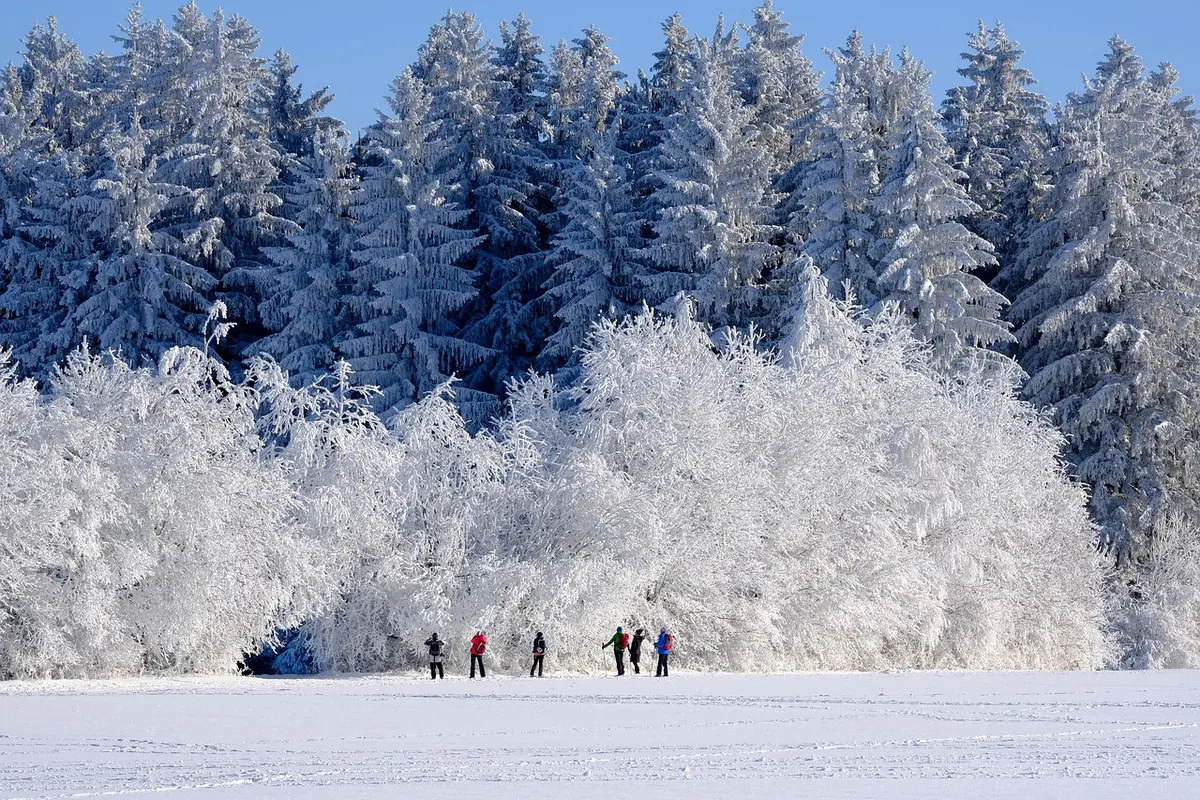
Photo: NickyPe / Pixabay