When and Where to See Basking Sharks in the UK
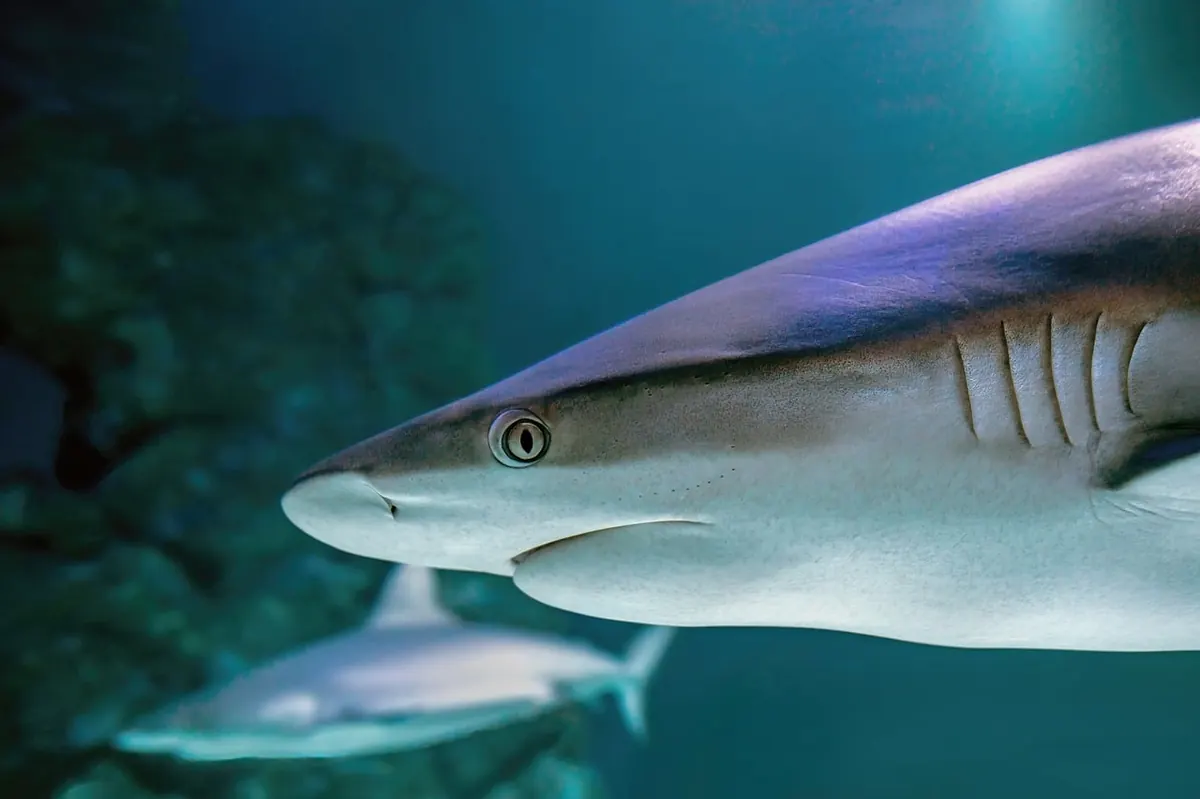
Basking sharks are the second-largest fish in the sea, and the largest one you are ever likely to see from a British headland. They are also slow, gentle and completely uninterested in you. A whole summer of looking can come down to one flat calm afternoon when a fin the size of a small sail appears fifty metres offshore — and that is more than enough to make the trip worthwhile.
They come for plankton, and plankton follows the sun. As daylight lengthens and surface waters warm, blooms of the tiny copepods basking sharks feed on begin to build, and the sharks follow the food northwards and inshore.
The season moves around the country. In the south-west, the first fish are often reported from April, with the best of it running through May, June and into July. In the Hebrides and the Irish Sea the season starts later and lasts longer, typically from May to October, with July and August usually the strongest weeks. These are broad patterns, not fixtures. Some years the sharks turn up early and in numbers; in others the plankton stays patchy and sightings are thin. Water temperature, prevailing wind and how the spring bloom develops all play a part, which is why local sightings reports are worth checking before you book anything.
The Sea of the Hebrides is the UK's most reliable basking shark area. The islands of Coll and Tiree sit at the heart of it, with good numbers also recorded around Mull, Ardnamurchan, the Small Isles, Skye, Barra and the southern Outer Hebrides. Much of the best water is a fair distance offshore, so this is largely boat territory — wildlife trips run from Oban, Tobermory and a handful of island harbours. Shore-based sightings do happen, particularly from high ground on Coll and from headlands on Mull.
Cornwall gets the earliest action. Basking sharks are regularly seen off Land's End, around Penzance and Mousehole, in St Ives Bay, off the Lizard and in Falmouth Bay, with occasional records from the Isles of Scilly. The coastal path gives you a lot of vantage points, and south-west-facing headlands are the places to linger. Devon, Somerset and the Welsh coast see fish too, but less predictably.
The island's west coast — around Peel, Niarbyl and the Sound — is a long-standing basking shark area, with shore watches run by local marine groups during the season. It is one of the few places where you have a realistic chance of seeing a shark from a bench.
Elsewhere, sightings turn up most years off Pembrokeshire, in Cardigan Bay, around Rathlin and the north coast of Northern Ireland, and occasionally on the east coast of Scotland and England. Those are bonuses rather than targets.
Wind is the single biggest factor. A fin breaking the surface is easy to miss when the sea is chopped up with whitecaps, so aim for a flat calm day — force 0 to 2 on the Beaufort scale — or the settled window either side of high or low water. A long swell, even on a windless day, makes spotting much harder.
Tides matter too. Basking sharks often feed along tidal fronts, where currents meet and plankton gets concentrated. That means headlands, sounds between islands, and the edges of deep channels are worth watching. Late morning onwards tends to be more productive than first light, particularly in the Hebrides.
Look for the signs that something is happening:
Polarised sunglasses cut surface glare and help you see a fin against a bright sea. A pair of 8x42 binoculars is ideal for scanning without making your arms ache.
From land, find height and scan slowly, sweeping left to right in overlapping bands rather than staring at one spot. Cliffs, headlands and coastal viewpoints all work. Give it an hour, not ten minutes.
From a boat, your best bet is a recognised wildlife trip with a skipper who knows the local water and follows the wildlife watching code. Ferry crossings are a useful free option on the west coast of Scotland — stand on the open deck and keep looking. In a kayak or on a paddleboard, remember that a basking shark can be longer than your craft several times over. Give them room and never paddle at one.
Basking sharks are plankton feeders and harmless to people, but they are big animals in a busy sea, and they are protected in UK waters under wildlife legislation. In Scotland that protection extends to disturbance, and it is not just boats that are covered.
Codes of conduct are updated from time to time, so check the current guidance from the relevant nature conservation body before you go out.
Sightings are never guaranteed, even on the best boats in the best months. Take the trip for the whole experience — the cliffs, the seabirds, the chance of dolphins — and treat a basking shark as the thing that makes the day.
Photo: DavidClode / Pixabay
Previous Post
Paddleboarding with Your Dog: A Step-by-Step Safety Guide
Next Post
Surfboard Leash Buying Guide: Length, Thickness and Attachment